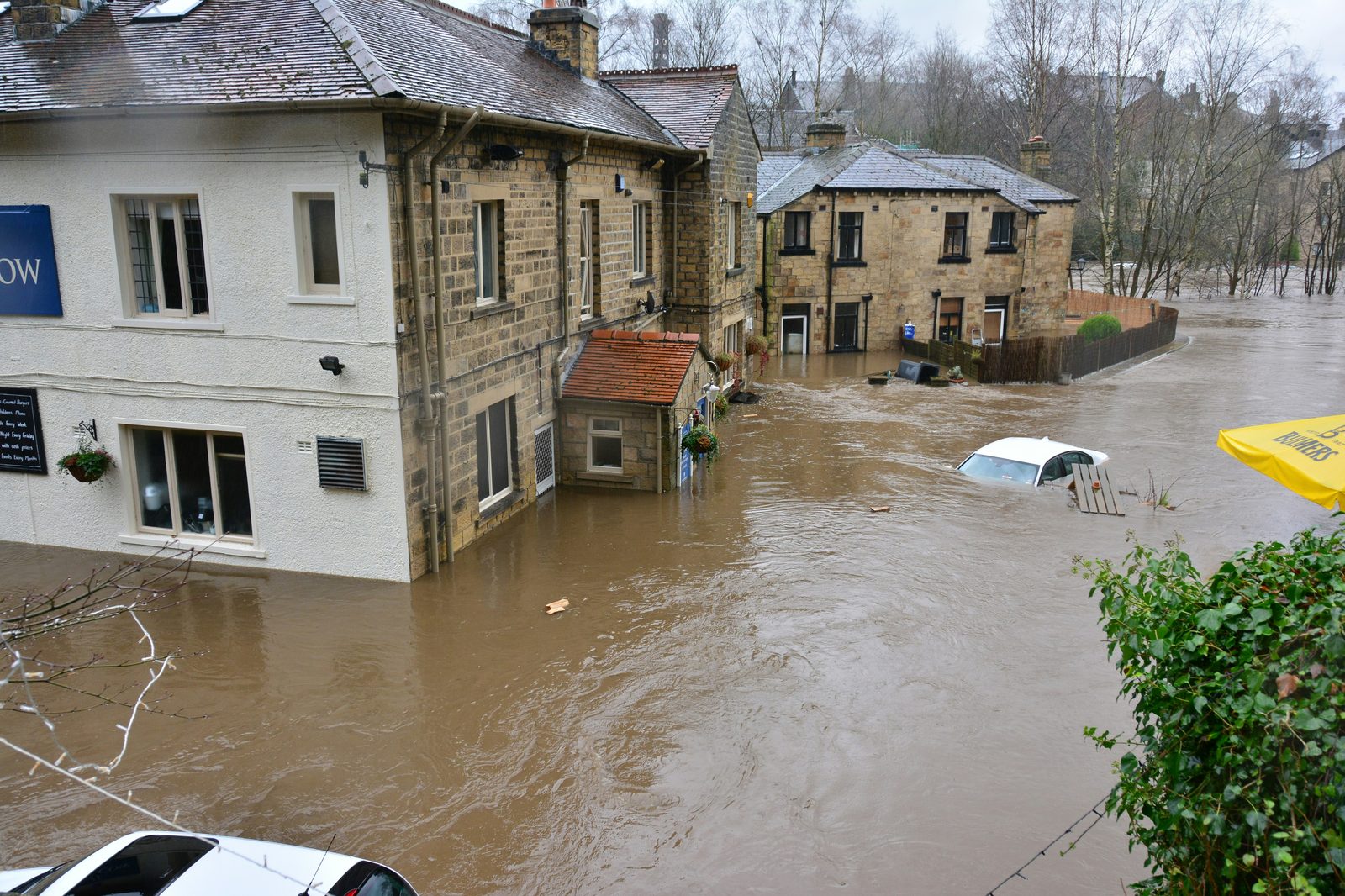
There is a specific kind of silence that follows a house fire or a major flood. Once the sirens have gone and the water has stopped rising, you’re left standing in a building that doesn’t feel like yours anymore. It’s overwhelming, smells of damp or smoke, and the sheer volume of “to-dos” is enough to paralyse anyone.
In our years managing disaster reinstatement, we’ve seen that the first 24 hours often dictate how the next six months will go. If you are standing in the middle of a mess right now, here is exactly how to handle it without losing your head — or your insurance payout.
The first 24 hours: a triage checklist
Safety is the obvious priority, but documentation is a close second. Do not start cleaning yet. You might feel an instinctive urge to scrub walls or mop up, but for the sake of your claim, stop.
- Utilities first: if it’s a flood, make sure the electricity is off at the mains before you step into standing water. If it’s a fire, don’t turn anything back on until a professional has signed off the wiring.
- Call the insurers immediately: most people wait until they’ve “assessed the damage”. Don’t. Call them from the garden if you have to — they need to log the incident and give you a claim number.
- The digital walkthrough: take your phone and film everything. Every room, every ruined skirting board, every piece of furniture. Take more photos than you think you need — these are your evidence when the loss adjuster arrives.
- Security: if windows are blown out or doors won’t lock, you have a duty to mitigate further loss. This is where you call in restoration services to board up and secure the site.
Navigating the insurance minefield
Dealing with insurance companies is often more stressful than the disaster itself. The most important thing to realise is that you have the right to choose your own contractor.
Insurers will often try to send their “preferred” national panels. However, using local South Wales specialists often results in a better finish, because we are accountable to you and the local community, not just a distant corporate spreadsheet.
When you speak to your provider, ask them for a “mandate”. If you find a contractor you trust who is experienced in fire and flood reinstatement, your insurer can often deal with them directly — removing the nightmare of you acting as a middleman between loss adjusters and tradesmen while you’re trying to live your life.
Why “DIY” drying is a recipe for rot
We see this mistake constantly: a homeowner rents two industrial fans from a tool-hire shop, sticks them in a flooded hallway, and thinks it’s solved because the carpet feels dry to the touch.
Flood water doesn’t just sit on the floor; it travels up through capillary action in your walls. It gets behind the plasterboard and under the screed. If you only dry the surface, you are effectively creating a greenhouse for black mould and wet rot. Professional drying involves:
- Thermal imaging: cameras to see exactly where water is hiding behind the masonry.
- Controlled dehumidification: removing moisture at a rate that doesn’t warp your structural timber.
- Sanitisation: flood water (especially “black water” from heavy rain) is often contaminated, so professional repairs include chemical treatment to make the space safe to inhabit again.
Managing the “messy middle”
The reinstatement phase is a marathon, not a sprint. Once the building is dry and stripped back to the shell, the actual building work begins. This is where project management is vital — you don’t want a plasterer turning up when the floor hasn’t been treated, or an electrician wiring into damp walls.
Expect some friction. There will be days when it feels like nothing is happening because you’re waiting for moisture readings to drop. This is normal. It’s better to wait a week for a wall to be perfectly dry than to paint it now and see salt stains and a peeling finish in three months’ time.
Getting back to normal
Reinstatement isn’t just about putting things back how they were; it’s about making sure the building is resilient for the future. Whether it’s fire-rated materials or damp-proofing upgrades, take the opportunity to improve.
If you’re currently dealing with the aftermath of a disaster across South Wales, remember that this is a process. Take the photos, call the insurer, then find a local expert who can take the weight off your shoulders. It will get sorted — one dry wall at a time.