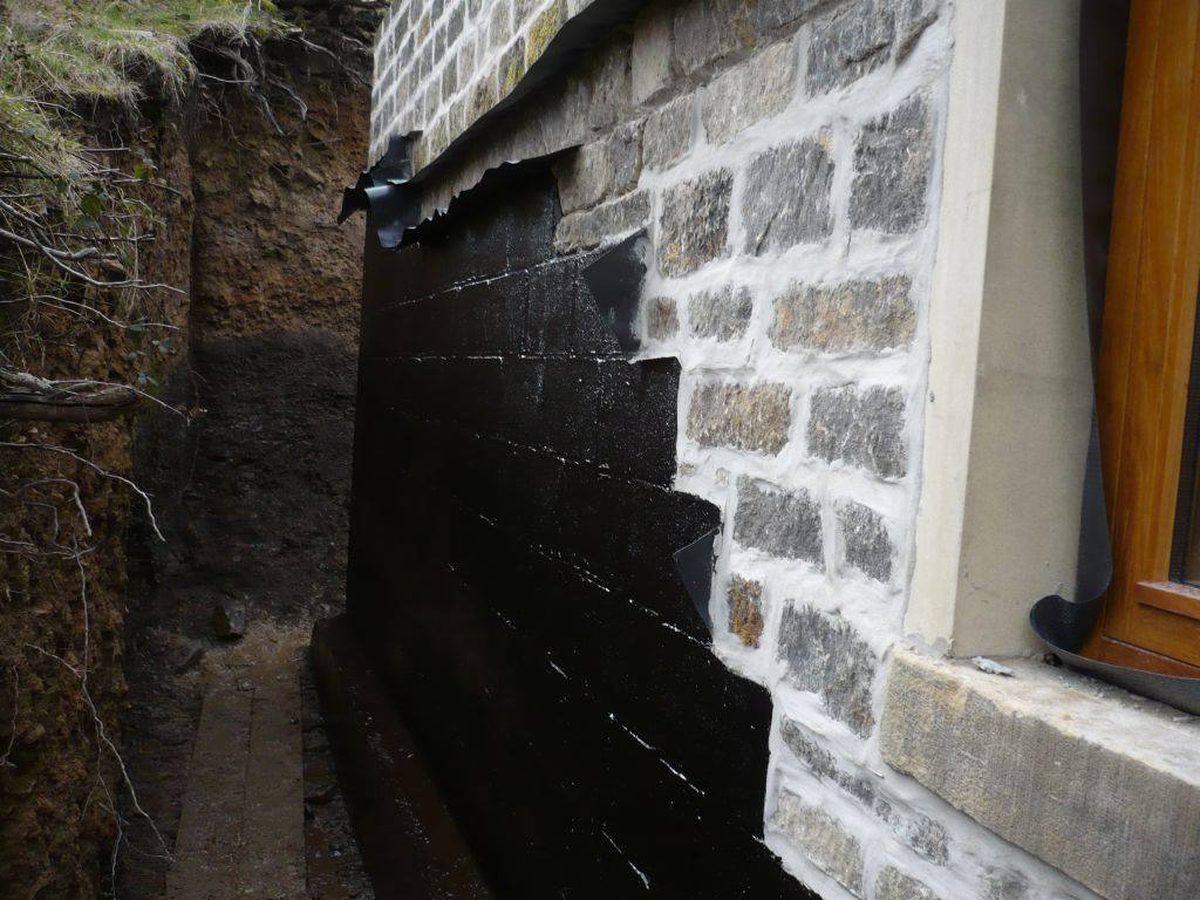
Mainly to fix problems like mould, dampness, or damage to the building’s structure that happens when insulation is not installed correctly or wears out.
Other reasons are using the wrong kind of insulation, damage from water or fire, or getting bugs in the house. Also, taking out old or broken insulation can make a home more energy-efficient and help it keep its value over time.
Here is a more in-depth look at the reasons for taking it out:
1. Mould and dampness
- Problems with moisture: if insulation gets wet, it can let moisture through the walls, making the inner surfaces damp and encouraging mould to grow.
- Incorrect installation: if insulation is not installed properly, it can leave gaps or let water in, making damp problems much worse.
2. Structural issues
- Damage to the ties that hold the walls together: incorrect installation of wall ties can compromise the building’s structural integrity.
- Dampness that degrades plaster: the insulation can make things inside the house damp, which can ruin plaster, paint and other finishes.
3. Inappropriate insulation
- Urea-formaldehyde foam: this insulation, common in older homes, can release toxic fumes when it breaks down.
- Not beneficial for the building: traditional cavity wall insulation doesn’t work well in some homes, especially those with narrow cavities or those prone to wind-driven rain.
4. Reduced effectiveness and performance
- Degradation: insulation can become less effective and less useful over time.
- Less energy efficient: insulation that is poorly installed or broken can allow heat to escape, significantly increasing your energy costs.
5. Other factors
- Damage from fire or water: if water or fire damages the insulation, you may need to remove it.
- Infestation of vermin: rodents and other pests can damage the insulation and make it unsafe for your health.